


Speakers
- Home
- Speakers
Speakers of the 5th edition
These people are coming to the festival. Come join us!
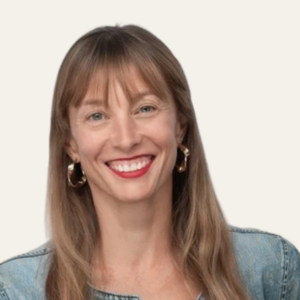
Ludwika Włodek
(Poland)
Polish reporter, sociologist and lecturer at the Centre for East European Studies at the University of Warsaw. She contributes to Polish media outlets, including Gazeta Wyborcza. She is the author of books of reportage on Central Asian countries, Algerians in France and women in Afghanistan. She also wrote Four Flags, One Address: Stories from Spiš, which will be published in Slovak in 2025. The great-granddaughter of the renowned Polish writer Jarosław Iwaszkiewicz, she also chairs the jury of the prestigious Kapuściński Award for reportage literature.
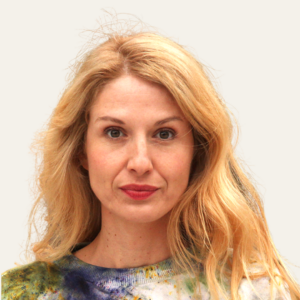
Barbara Matejčić
(Chroatia)
Croatian investigative journalist. She covers social issues and human rights in the Balkans. She collaborates with international media such as The Guardian, Süddeutsche Zeitung and Balkan Insight. Author of a book on marginalized groups in Croatia and a documentary film about asylum seekers. In 2024, she received a special European Press Prize for “The Border Graves Investigation” – an investigation that confirmed the existence of 1,015 unmarked migrant graves in eight European countries. Winner of the IJ4EU Impact Award and finalist for the 2025 Daphne Caruana Galizia Prize. She teaches journalism at VERN’ University in Zagreb.
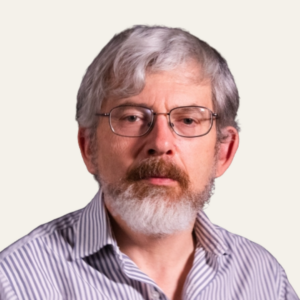
Jolyon Naegele
(United States)
American journalist who was among the few accredited Czech-speaking Western reporters in pre-revolutionary Czechoslovakia. From 1984, he worked as a Voice of America correspondent for Central and Eastern Europe, covering the collapse of communist power in the region including the events of 1989. He interviewed Václav Havel, Alexander Dubček, Bohumil Hrabal, and many other important figures. He later worked as an editor at Radio Free Europe, spending fourteen years as a political analyst with the UN mission in Kosovo, ultimately serving as director of political affairs.
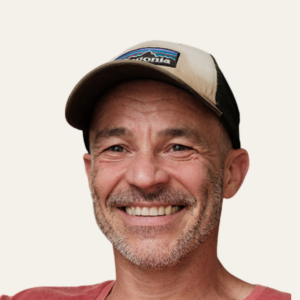
András Földes
(Hungary)
Hungarian journalist, cameraman and reporter. After Index, the largest Hungarian news website where Földes worked for two decades, collapsed due to pressure from Orbán’s government, he began working at the opposition weekly HVG, often compared to The Economist. His work is known primarily for reporting from war zones and conflict areas including Afghanistan, Iraq, Niger, Iran and Libya. His lifetime work has been recognized with the Joseph Pulitzer Memorial Prize, the Hégető Honorka Prize, the Development Journalism Prize and the Hungarian Press Photo award.
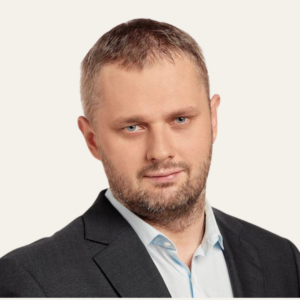
Bartosz Wieliński
(Poland)
Deputy editor-in-chief of Gazeta Wyborcza daily newspaper. He studied political science and journalism at the University of Silesia and the International School of Political Sciences in Katowice. He also completed postgraduate studies in diplomacy at the Jagiellonian University in Krakow. He has been working for the newspaper since joining as a 20-year-old intern in 1998. He is a former correspondent for Wyborczy in Germany, a country he enjoys covering, especially its history. He has published two books: “The Bad Germans” and “Hitler’s War of Doctors.” In 2013, he was awarded the Polish Grand Press journalism prize.

Ross Higgins
(UK)
Investigatative journalist and trainer at Bellingcat, where he specializes in financial investigations and disinformation. He focuses primarily on mechanisms for circumventing sanctions, financial crime, and the impact of disinformation in the European context. He is part of the Eastern Frontier Initiative, a project by editorial teams covering security challenges in Central and Eastern Europe — from disinformation to cybersecurity to defense. His work has been cited in the House of Commons as well as in media outlets including the Times, Guardian, Business Insider, and Herald.
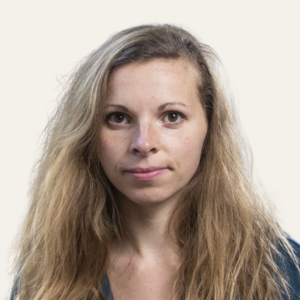
Eszter Neuberger
(Hungary)
A journalist and academic who focuses on what many ignore: how disinformation affects people who are least able to defend themselves against it. She studied media studies at Eötvös Loránd University in Budapest and nationalism at Central European University. She has written for HVG and 444.hu. Since 2022, she has been part of Lakmusz, Hungary’s largest fact-checking website.
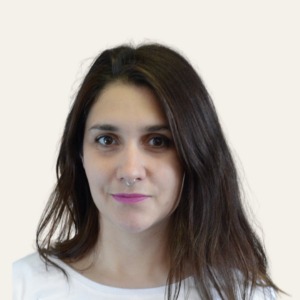
Apolena Rychlíková
(Czech Republic)
Czech investigative journalist, documentary filmmaker and editor-in-chief of the media project Page Not Found. She champions slow journalism and focuses in depth on topics such as social inequality, minority rights and sexual violence. She worked at the online daily A2larm and collaborates with Czech Radio. Winner of the Journalism Prize for Best Commentary and the Novinářská křepelka award for best journalists under 33. She was also the first Czech woman in history to be nominated for the prestigious European Press Prize in the opinion category.
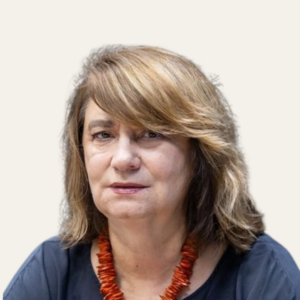
Ľuba Lesná
(Slovakia)
Investigative journalist, writer and former editor at Radio Free Europe. During Vladimír Mečiar’s government, she primarily focused on cases related to the Slovak Information Service (SIS), and she has written several non-fiction books on the subject, including Únos prezidentovho syna (The Kidnapping of the President’s Son) and Krátke dejiny tajnej služby (A Brief History of the Secret Service). She is the recipient of the Czech-Slovak Egon Erwin Kisch Prize for non-fiction.
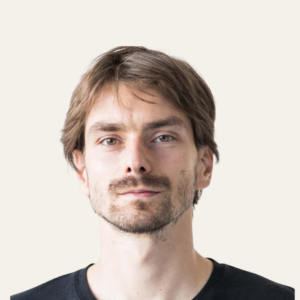
Martin Turček
(Slovakia)
Investigative reporter and editor at the news website Aktuality.sk, where he has worked since 2018. As a journalist, he specialises in exposing scandals and data- and open-source-based investigative journalism. His investigative work includes exposing the opaque distribution of EU funds, monitoring the assets of politicians and state officials, and uncovering tax evasion by the elite and clientelism. In 2022, he published the book Kajúcnik, which charts the life and work of the former head of the tax investigation unit.
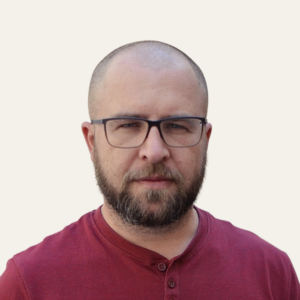
Jakub Macek
(Czech Republic)
Sociologist of media and Associate Professor at the Department of Media Studies and Journalism at Masaryk University in Brno. His research focuses on how people consume media and how they trust or distrust it, and the role of media in societal polarization. He created the Political Antagonism Scale (PAS), a tool for measuring politically motivated antagonism that captures how polarization transcends ideological differences and creates an identity-based “us versus them” perspective. He studies how media shape political attitudes and how alternative media function in polarized societies.
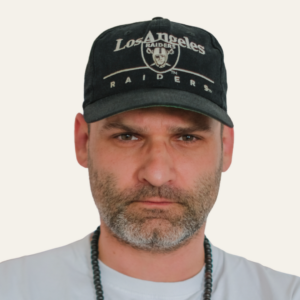
Karol Grygoruk
(Poland)
Documentary photographer and activist. His work focuses on human rights, migration issues and the lives of marginalised groups, particularly those affected by social exclusion. During his career, he has collaborated with numerous non-governmental organisations, including Amnesty International, the Minority Rights Group and Greenpeace. He is the co-founder of RATS, a documentary collective that specialises in collaborating with non-governmental organisations and providing humanitarian aid support.
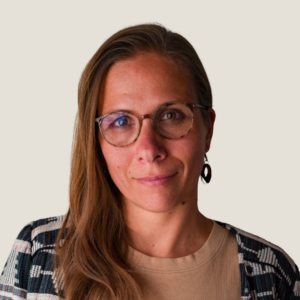
Magdalena Rojo
(Slovakia, Mexico)
Slovak journalist living in Mexico. She specialises in reporting on global issues and human rights, particularly in less developed countries. She advocates responsible travel that respects local cultures and the environment. Together with her husband, Noel, she has created a comprehensive picture of migration from Mexico, Senegal, Ethiopia, India and Romania through the ‘Women Who Stay’ project. Their aim was to challenge prevailing prejudices and perceptions of Europe in the rest of the world.
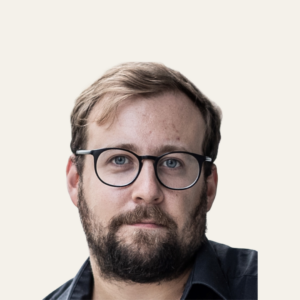
Lukáš Onderčanin
(Slovakia)
Editor-in-chief of foreign news at the daily newspaper SME. As a journalist, he mainly covers events in Central Europe, Ukraine and Russia. He is also the editor-in-chief of Stories of the 20th Century, a quarterly magazine published by the civic association Post Bellum. In 2021, he won the Journalism Award for his report on media freedom in Hungary. He is the author of the book Utopia in Lenin’s Garden: The Czechoslovak Commune Interhelpo, for which he won the Anasoft Litera Readers’ Award. He is also an avid traveller and the host of the travel podcast Všesvet.
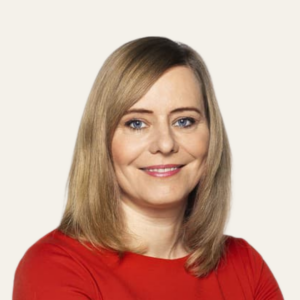
Marta Jančkárová
(Slovakia)
Broadcast journalist and moderator at Slovak Television and Radio. She has been working in media since 2002 and studied English language and literature at Constantine the Philosopher University in Nitra. She hosted O 5 minút 12, Sobotné dialógy, and television interviews. Together with dozens of colleagues, she protested against the political capture of public service broadcasting, after which STVR management removed her from major political discussions. She was nominated in the Slovak Woman of the Year award in the Media and Communication category.
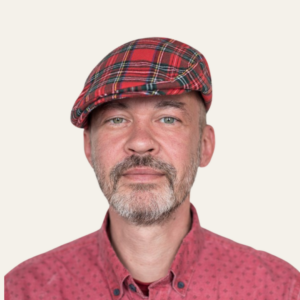
Branislav Dobšinský
(Slovakia)
Slovak journalist and moderator with over 30 years’ experience in electronic media. From 2007 to 2018, he hosted the legendary Saturday Dialogues on RTVS, conducting confrontational interviews with some of Slovakia’s most prominent politicians. He also created the discussion format Bez obalu (Without Wrapping), in which he converses with inspiring personalities from outside the world of politics. Since leaving public radio, he has produced and hosted podcasts for Aktuality.sk, including the morning show Ráno nahlas (Morning Out Loud) with Jaro Barborák. Dobšinský is one of the journalists who have shaped political journalism in Slovakia since 1989.
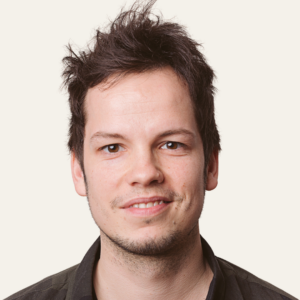
Jakub Goda
(Slovakia)
Slovak journalist and media communications expert. He worked in the presidential office during Zuzana Čaputová’s term, having previously worked at the Ministry of Health where he sought to improve the online communication of state institutions. He has been involved in journalism and analysis on the topics of disinformation and social networks for a long time. He has previously infiltrated Hlavné správy to demonstrate how such a website operates. He has won several awards, including a journalism award. He has also worked in advertising and on political campaigns for many years.
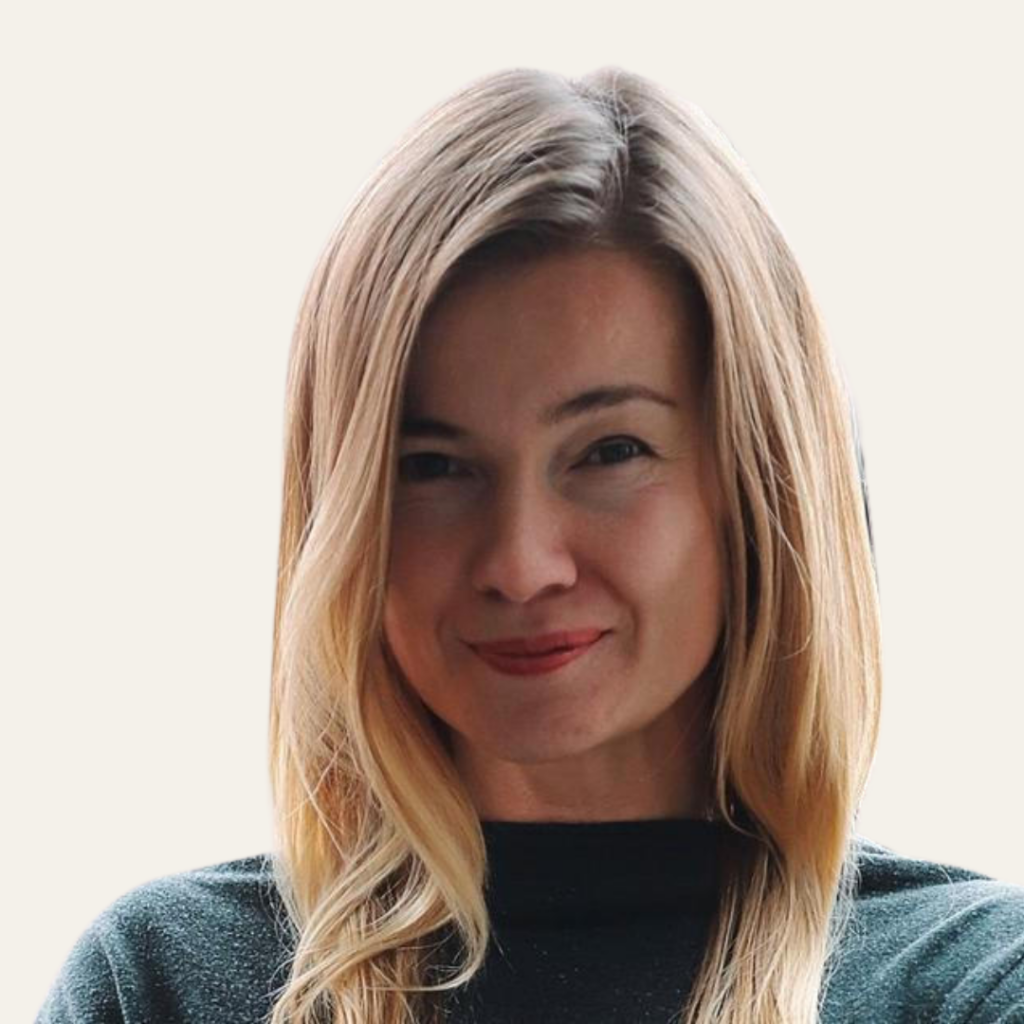
Jitka Adamčíková
(Czech Republic)
Media analyst, co-founder, and chair of the Women in Media CZ initiative, which advocates for greater representation of women in the Czech media. She regularly serves as a member of election observation missions for the Organization for Security and Co-operation in Europe. Since 2022, she has been preparing the Czech national report for the Media Pluralism Monitor, which assesses the state of the Czech media and serves as the basis for the media section of the European Commission’s Rule of Law Report. Since 2024, she has been the director of the Independent Press Foundation, which manages investor stakes in the Czech daily Deník N and the weekly Respekt.
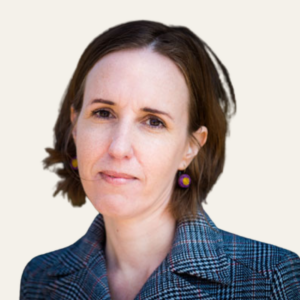
Barbara Lášticová
(Slovakia)
Social psychologist and researcher at the Slovak Academy of Sciences, where she has worked for over 20 years. Her main research interests include social identities, intergroup relations, political psychology, and qualitative research methodology. She lectures in political psychology at the Department of Political Science, Faculty of Arts, Comenius University in Bratislava, and qualitative research at the Institute of Psychology, Masaryk University in Brno. She is the author and co-author of several books.

Jakub Šrol
(Slovakia)
Researcher at the Institute of Experimental Psychology, Centre for Social and Psychological Sciences, Slovak Academy of Sciences. His research primarily focuses on the psychological reasons why people believe in conspiracy theories, the consequences of these beliefs and their impact on relationships and societal functioning. He also addresses topics related to climate change, analysing the psychological reasons why society is not doing enough to mitigate the effects of this crisis. Since 2024, he has been the editor-in-chief of the international journal Studia Psychologica.
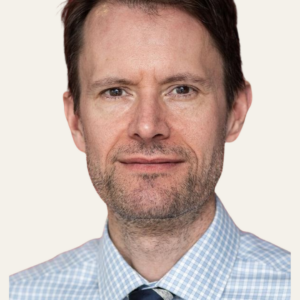
James Thomson
(UK)
British journalist and editor who has lived in Slovakia for more than 10 years. He is the author of the 14th edition of the travel guide Spectacular Slovakia (2008) and a long-time contributor to The Slovak Spectator. In the past, he worked as a producer and editor for BBC World Service news programs. He has also lived and worked in Austria, Australia, the UK, and New Zealand. At the Bratislava International School of Liberal Arts (BISLA), he teaches courses on journalism and media, 20th-century European history, and modern China.
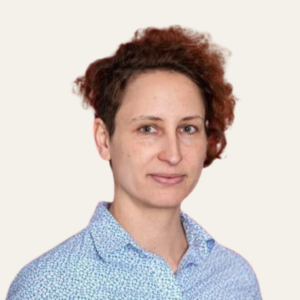
Zuzana Kepplová
(Slovakia)
Journalist, writer, former editor of the daily newspaper SME, lecturer in gender and cultural studies. She has taught at the Faculty of Social Studies at Masaryk University in Brno and has been a visiting lecturer at the University of Budapest and the Faculty of Humanities at Charles University in Prague. She is the author of a book about the generation of migrants after Slovakia’s accession to the EU, Buchty švabachom, as well as the books 57 km od Taškentu, Reflux, and Tvarožkovci, and was a finalist for the Anasoft Litera Award (2012, 2016).
Peter Hanák
(Slovakia)
Journalist at Aktuality.sk, researcher and university lecturer. Author of the International Press Institute analysis of political influence on Slovak media. Developed a method for measuring media ownership concentration. Hosts NA ROVINU, interviews with politicians and experts. He worked at Hospodárske noviny and RTVS. He teaches at the Faculty of Law, Comenius University Bratislava, and at BISLA. He has received the Open Society Foundation national journalism prize twice.
Renáta Sedláková
(Czech Republic)
Media sociologist and researcher at Palacký University in Olomouc. She focuses on how the media portray those we consider “others” — minorities, seniors, migrants. Her book Media Research is a methodological guide for anyone who wants to not only follow the media, but also analyze it. In her book Reports About Them or About Us, she examines how Czech television portrays Roma in its news coverage — and what this portrayal says not about Roma, but about ourselves.
Martin Hodas
(Slovakia)
Slovak journalist, reporter for the daily newspaper SME, focusing on disinformation and technical-digital topics. As a technology journalist and editor, he worked for almost ten years at the specialist magazine Živé.sk. He has also published in the independent weekly magazine .týždeň. He also has experience working for radio.
Ľubomír Bajaník
(Slovakia)
Slovak television presenter, reporter, and editor. He has been part of the RTVS (now STVR) news team since 2001. Since autumn 2017, he has been hosting the popular educational television program SK Dejiny. In 2018 and 2019, he won the News Presenter award in the OTO poll and currently works as an assistant professor at the Department of Journalism of the Faculty of Philosophy at Comenius University in Bratislava.

Patrícia Kordiaková
(Slovakia)
Head of foreign news at TA3 and co-founder of the Novinárky initiative. She previously worked at the Honorary Consulate of the United Mexican States and later as a domestic news editor at Markíza television. Since 2017, she has been working as an editor and presenter at TA3 news television, where she focuses primarily on foreign news.
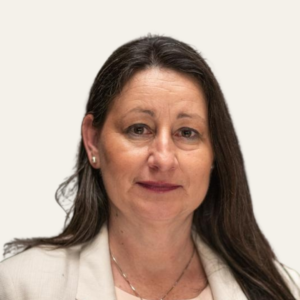
Anna Sámelová
(Slovakia)
Slovak journalist, university lecturer, and former director of news at RTVS (now STVR). In the 1990s, she worked for Slovak Radio’s Radiojournal, and later for Radio Twist, which played a key role as one of the few democratic opposition voices during the Mečiar era. She later became editor-in-chief of Radio Twist. She co-founded the International Press Institute in Slovakia. Since 2017, she has been teaching at the Department of Journalism at the Faculty of Philosophy of Comenius University in Bratislava.
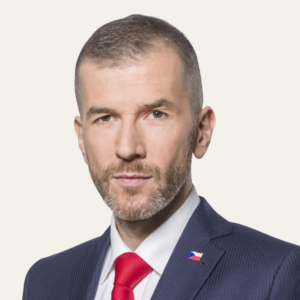
Jakub Železný
(Czech Republic)
Czech journalist, radio, and television presenter. He studied journalism at the Faculty of Social Sciences at Charles University and later earned a doctorate in media history and modern history from Palacký University in Olomouc. He began his career in the mid-1990s at Czech Radio, but became best known for his work at Czech Television, where he has been employed since 1999. In addition to his television work, he also serves as an educator, passing on his experience to future journalists. He is the author of the short story collection “Kasteláni.”
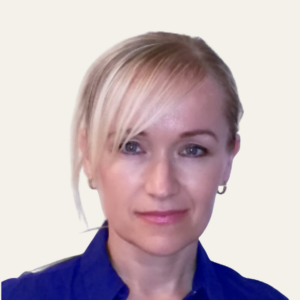
Lucia Virostková
(Slovakia)
Journalist, researcher, and lecturer at the Department of Journalism, Faculty of Philosophy, Comenius University in Bratislava. She studied journalism in Bratislava and international relations at the London School of Economics. She began her professional career at the Slovak desk of the BBC World Service and later served as the Brussels correspondent for Slovak Radio, where she specialized in EU and NATO affairs. She also worked as an editor at the Brussels-based daily EUobserver. Currently, her academic work focuses on foreign policy journalism and media ethics. She is the author of a monograph on the impact of EU membership on Slovak journalism and actively participates in international research projects on the state of the media in Central Europe.
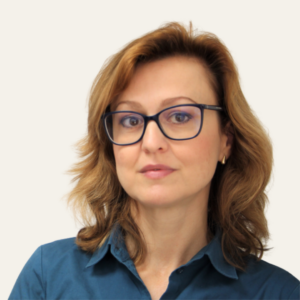
Eva Mihočková
(Slovakia)
Editor-in-chief of the Zahraničná politika portal, where she has been working since September 2021. She began her journalism career in 1998 at Slovak Television and, over the course of her extensive career, has worked in the editorial departments of key Slovak media outlets, including TA3, RTVS (now STVR), the Euractiv.sk portal, and the weekly magazines Plus 7 dní and Trend. In her work, she has long focused not only on international relations but also on domestic politics and investigative journalism. In addition to her work with the SFPA (Slovak Foreign Policy Association), she actively collaborates with the Stop Corruption Foundation, thereby connecting the journalism community with civic activism focused on transparency and the rule of law.
Young Media
(Slovakia)
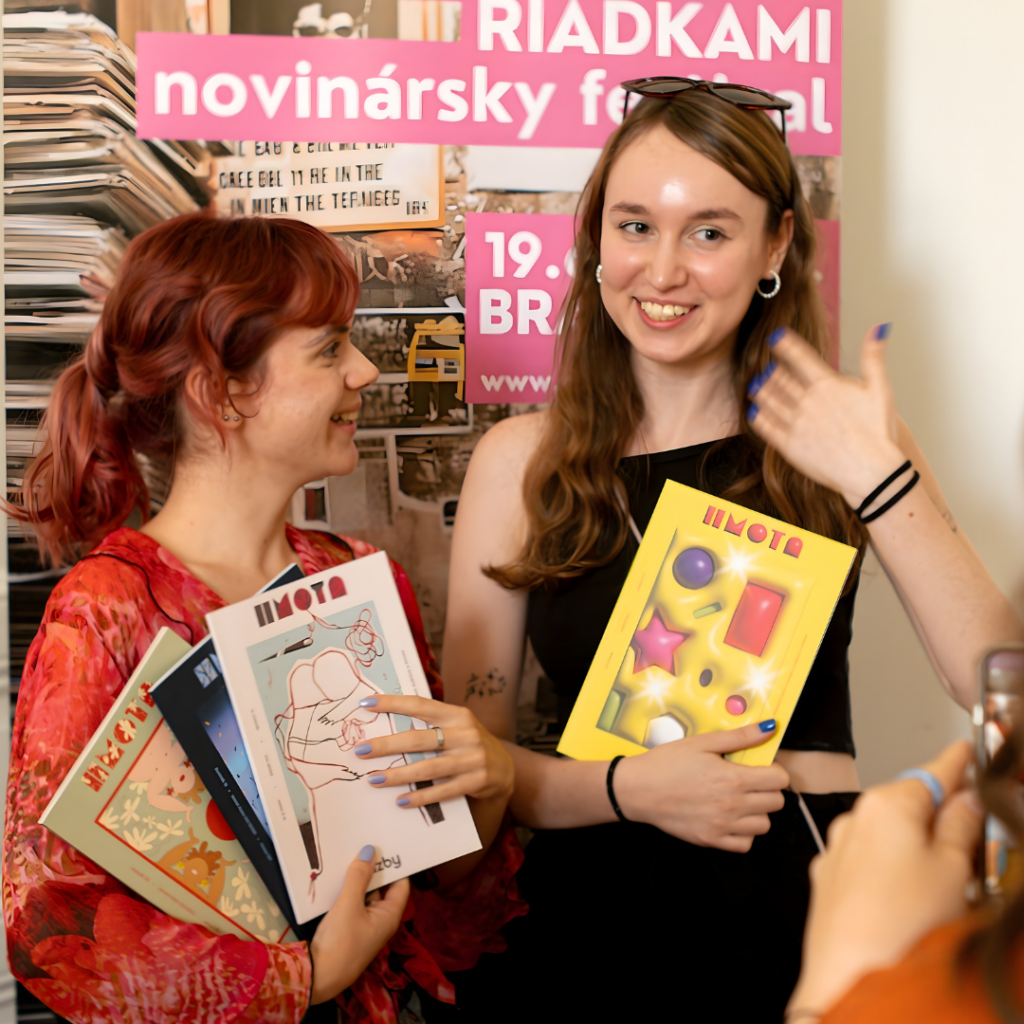
Several independent student media outlets will participate in the festival and present their work. The student internet radio station TLIS, based at the Mladosť dormitory in Mlynská dolina in Bratislava, has been broadcasting since 1981; its current programming consists of talk shows and alternative, progressive music. We will also be introduced to the student podcast Ringišpír from Nitra, which focuses primarily on literature, the Trnava student magazine UCM Atteliér, and the Bratislava student radio station Tlis.
Peter Malec
(Slovakia)
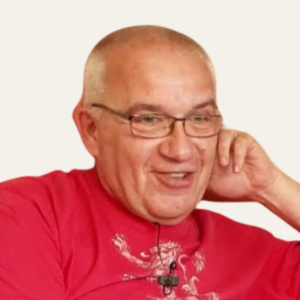
Slovak television dramaturge, screenwriter, media manager, and former director of ČST in Slovakia. In the 1980s, he worked at Czechoslovak Television in the Bratislava studio, first as a dramaturge and later as deputy editor-in-chief of the Main Editorial Office for Children and Youth Broadcasting. From 1991 to 1993, he was a member of the Board of Directors of Media Representative and the advertising agency IP Bratislava.
Zuzana Kozárová
(Slovakia)
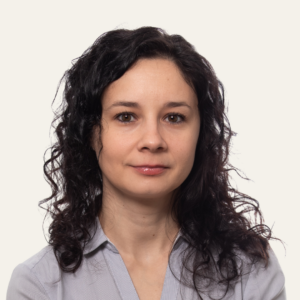
Lecturer at the Department of Journalism and New Media at Constantine the Philosopher University in Nitra and Erasmus+ coordinator at the department. She is the author of an escape game about disinformation, which she adapted into English for Slovak and international festival participants. She leads a project on critical thinking and media literacy at universities and publishes on ethical issues in journalistic practice and the communication potential of media in the digital age.
Ján Füle
(Slovakia)
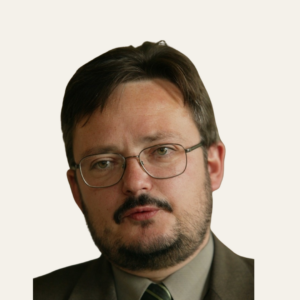
Slovak journalist, commentator, co-founder of the daily newspaper SME. In the past, he also worked as a Prague correspondent, deputy editor-in-chief, and executive editor-in-chief of the daily newspaper Národná obroda. Later, he founded and was editor-in-chief of Internetové noviny, the first online news portal in Slovakia, and also served as editor-in-chief of STV (now STVR) news. He was vice-chairman of the Slovak Syndicate& of Journalists for three years and chairman for six years, and taught at the Department of Journalism at Comenius University and the Media Academy, which he also co-founded. For a time, he worked as head of the press department and spokesperson for Slovak President Rudolf Schuster.
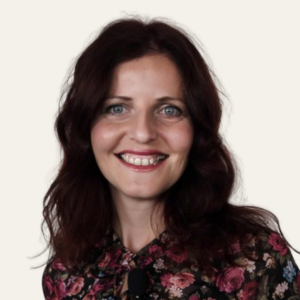
Jana Čavojská
(Slovakia)
Reporter, photographer, author of two reportage books and co-author of the documentary film danubeStory. Her reportage focuses on migration issues. As a journalist, she has traveled to nearly eighty countries, including South Sudan, Haiti, Rwanda, Venezuela, Iraq and Lebanon. Since the beginning of the war in Ukraine, she has not only traveled there as a reporter, but has also been actively involved in helping civilians and defenders of Ukraine under the banner of OZ Nezlomní (Unbreakable), which she founded together with Marcel Rebro.
Interested in speaking at a future edition?
If you’d like to be part of the programme or have a topic suggestion, get in touch: info@svetmedziriadkami.sk
